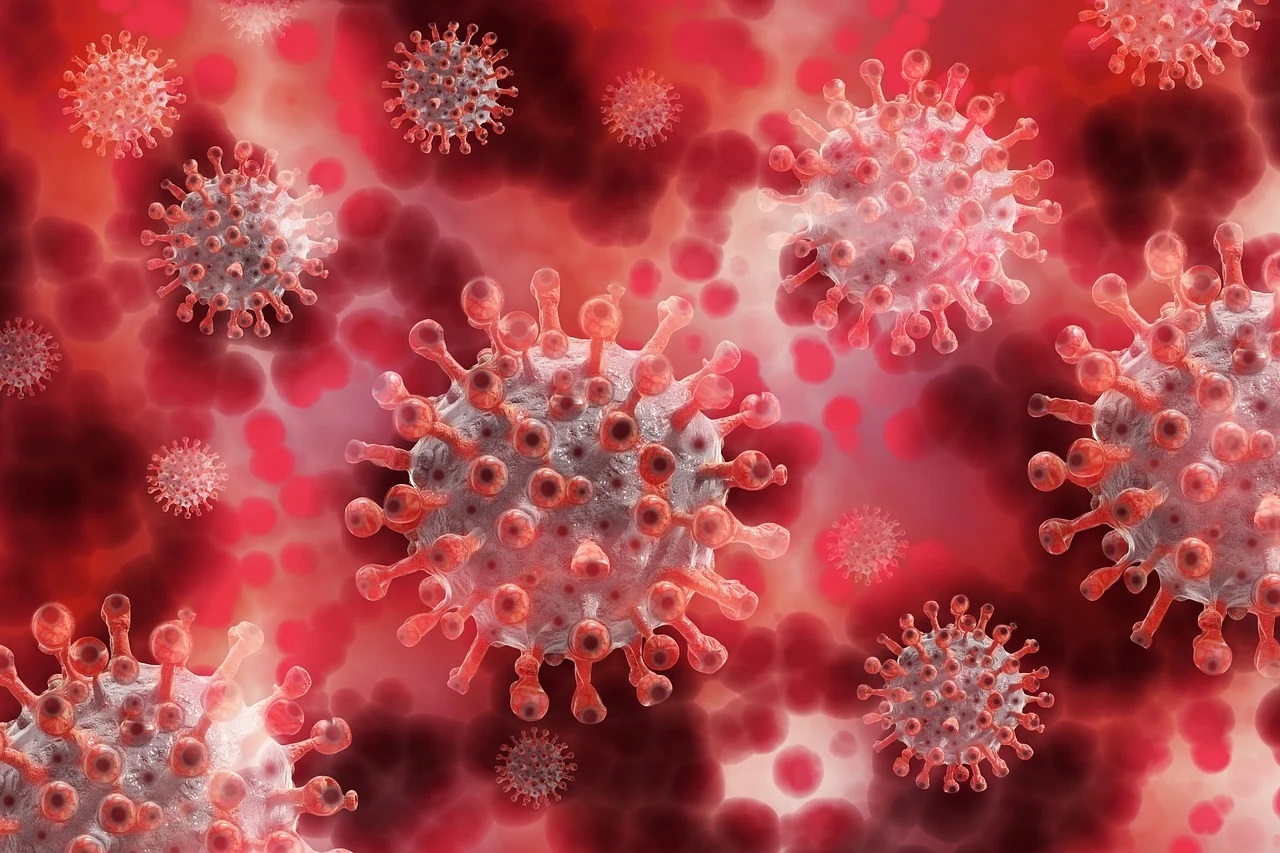
For decades, people have believed that once a viral infection is treated or symptoms disappear, the virus is completely eliminated from the body. However, emerging scientific research is challenging this assumption. A large-scale study has revealed that many viruses do not entirely leave the human body. Instead, they can persist quietly, sometimes for life.
This phenomenon, known as viral persistence, is reshaping how scientists and healthcare professionals understand infections, recovery, and long-term health. The study highlights how genes, immune system strength, and lifestyle choices all play a crucial role in determining whether a virus is cleared or remains dormant.
Understanding why viral infections linger in the body is essential not only for managing current illnesses but also for preventing future health complications.
🔬 What Is Viral Persistence?
Viral persistence refers to the ability of a virus to remain in the body even after the initial infection has resolved. Instead of being completely destroyed by the immune system, some viruses enter a latent or inactive state.
In this state:
- The virus does not cause immediate symptoms
- It remains hidden within cells
- It can reactivate under certain conditions
This explains why some infections seem to “come back” after months or even years.
🧪 Insights From the Latest Study
A recent large-scale analysis involving hundreds of thousands of individuals explored the presence of viral genetic material in the human body. Researchers examined blood and saliva samples to understand how viruses behave after infection.
Key findings include:
- Viral DNA is commonly found even in healthy individuals
- Different people carry different levels of viral material
- Some viruses persist lifelong without causing noticeable symptoms
- Genetic and lifestyle factors strongly influence viral persistence
This research introduces the concept of the human virome, which refers to the collection of viruses that naturally exist in our bodies.
🧬 The Role of Genetics in Viral Persistence
One of the most important discoveries is that genetics significantly influence how the body handles viral infections.
How genes affect viral persistence:
- Some individuals inherit stronger immune response genes
- Others may have genetic variations that allow viruses to evade detection
- Certain genes influence inflammation and immune regulation
As a result, two people exposed to the same virus may experience completely different outcomes. One may clear the virus quickly, while the other may carry it for years.
🛡️ Immune System: The Body’s Defense Mechanism
The immune system plays a central role in controlling viral infections. However, its goal is not always complete elimination. In many cases, the immune system focuses on controlling the virus rather than destroying it entirely.
Why the immune system doesn’t always eliminate viruses:
- Some viruses hide inside cells where immune cells cannot reach them
- Viruses can “switch off” their activity to avoid detection
- The immune system avoids overreaction to prevent damage to the body
This delicate balance allows viruses to remain in a dormant state without causing immediate harm.
🧘 Lifestyle Factors That Influence Viral Persistence
While genetics and immunity are crucial, lifestyle choices also have a major impact on whether viral infections linger in the body.
Key lifestyle factors include:
1. Stress Levels
Chronic stress weakens immune function, making it harder for the body to suppress viruses effectively.
2. Diet and Nutrition
A nutrient-rich diet supports immune health, while poor nutrition can reduce the body’s ability to fight infections.
3. Sleep Patterns
Lack of sleep disrupts immune regulation, increasing the risk of viral reactivation.
4. Physical Activity
Regular exercise strengthens immunity, while a sedentary lifestyle can weaken it.
5. Environmental Exposure
Pollution, toxins, and repeated infections can strain the immune system.
Together, these factors determine how well the body can manage persistent viruses over time.

🦠 Common Viruses That Stay in the Body
Several well-known viruses are capable of long-term persistence. These viruses are often controlled but not eliminated.
Examples include:
- Herpes simplex virus (cold sores)
- Varicella-zoster virus (chickenpox and shingles)
- Epstein-Barr virus
- Hepatitis viruses
These viruses can remain inactive for years and reactivate when conditions become favorable.
🔁 What Triggers Viral Reactivation?
Even when viruses are dormant, they can become active again. This process is known as viral reactivation.
Common triggers include:
- Stress
- Illness or infections
- Weak immune system
- Aging
- Hormonal changes
When reactivated, the virus can cause symptoms similar to or milder than the original infection.
⚠️ Health Implications of Lingering Viruses
The discovery that viral infections linger in the body has important implications for long-term health.
1. Chronic Health Conditions
Persistent viruses may contribute to long-term illnesses by continuously interacting with the immune system.
2. Fatigue and Inflammation
Low-level viral activity may lead to chronic fatigue or inflammation.
3. Long-Term Syndromes
Conditions like post-viral fatigue and long COVID may be linked to lingering viral components.
4. Immune System Burden
The immune system must constantly monitor and control these viruses, which may reduce its ability to fight new infections.
🧪 Why Viruses Are Hard to Eliminate
Viruses are highly adaptable and have evolved strategies to survive inside the human body.
Survival mechanisms include:
- Hiding within host cells
- Reducing their activity to avoid detection
- Altering immune responses
- Persisting in immune-protected areas
These strategies make it difficult for the body to completely eradicate them.
🧍 Individual Differences in Viral Persistence
One of the most fascinating aspects of the study is the variation between individuals.
Factors influencing differences:
- Genetic makeup
- Age and gender
- Overall health
- Lifestyle habits
This explains why some people frequently experience recurring infections, while others remain symptom-free.
🧭 What This Means for Modern Medicine
The concept of viral persistence is changing how doctors and researchers approach infectious diseases.
Key shifts include:
- Moving beyond the “infection and cure” model
- Understanding long-term viral behavior
- Developing therapies that target latent viruses
- Focusing on immune system balance
This approach may lead to better treatment strategies in the future.
✅ How to Manage and Reduce Risks
Although it may not be possible to completely eliminate all viruses from the body, there are effective ways to manage their impact.
✔ Strengthen Your Immune System
- Eat a balanced diet rich in vitamins and minerals
- Stay physically active
- Maintain a healthy weight
✔ Prioritize Sleep
Aim for 7–8 hours of quality sleep each night.
✔ Manage Stress
Practice relaxation techniques such as meditation, yoga, or deep breathing.
✔ Stay Hydrated
Proper hydration supports overall bodily functions, including immunity.
✔ Get Vaccinated
Vaccines can prevent infections that may otherwise persist in the body.
✔ Regular Health Monitoring
Early detection of recurring symptoms can help manage viral activity effectively.
🌍 The Bigger Picture: Living With the Human Virome
The idea that viruses are always present in the human body may seem concerning, but it is actually a natural part of human biology. The human body coexists with countless microorganisms, including viruses.
Instead of viewing all viruses as harmful, scientists now recognize that:
- Some viruses remain harmless in their dormant state
- The body is capable of maintaining balance
- Health depends on how well this balance is preserved
🧾 Conclusion
The discovery that viral infections linger in the body is transforming our understanding of health and disease. Rather than being temporary invaders, some viruses become long-term residents, influenced by our genes, immune system, and lifestyle.
This does not mean that recovery is incomplete or that everyone is at risk. Instead, it highlights the complexity of the human body and the importance of maintaining a strong and balanced immune system.
By adopting healthy lifestyle habits, managing stress, and staying informed, individuals can effectively reduce the impact of persistent viruses and support long-term well-being.
This article references insights reported in:


