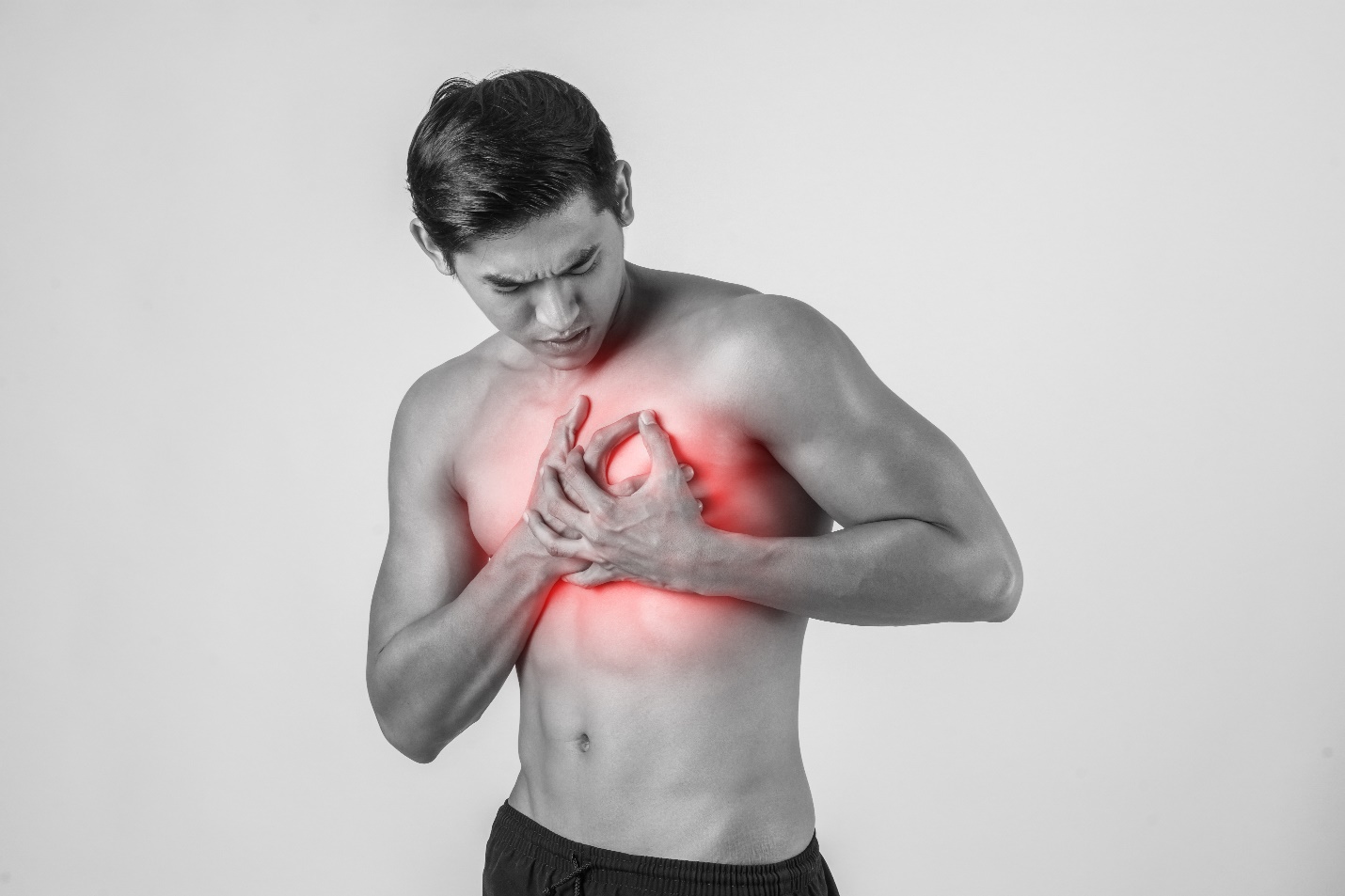
Chest pain is one of the most alarming symptoms a person can experience. For many, it immediately triggers fear of a heart attack—and understandably so. However, medical experts now emphasize that chest pain is not always related to the heart. It can also arise from the lungs, digestive system, muscles, or even stress and anxiety.
Understanding the true cause of chest pain is crucial because while some conditions are life-threatening, others are less severe but still require proper attention. This article explores the different causes of chest pain, how to distinguish between them, and when to seek urgent medical care.
Understanding Chest Pain: More Than Just the Heart
Chest pain is a broad term used to describe discomfort in the chest area. It can vary widely in intensity, duration, and sensation. Some people feel a tight pressure, while others experience a sharp stabbing pain or a burning sensation.
The chest houses several vital organs, including the heart, lungs, and parts of the digestive system. Because these organs are closely located, pain from one area can often feel similar to another, making diagnosis challenging without medical evaluation.
Heart-Related Chest Pain: The Most Serious Concern
What Does Heart Pain Feel Like?
Heart-related chest pain is typically described as:
- A feeling of pressure, heaviness, or tightness
- Pain in the center or left side of the chest
- Discomfort that spreads to the arm, jaw, neck, or back
It may also be accompanied by:
- Shortness of breath
- Sweating
- Nausea or vomiting
- Lightheadedness
Common Heart Conditions Causing Chest Pain
1. Heart Attack
A heart attack occurs when blood flow to the heart is blocked. This is a medical emergency and requires immediate treatment.
2. Angina
Angina is chest pain caused by reduced blood flow to the heart. It often occurs during physical activity or stress and improves with rest.
Why Immediate Action Matters
Heart-related chest pain can be fatal if ignored. Early intervention significantly improves survival rates and reduces complications. If symptoms suggest a heart issue, it is always safer to seek emergency care rather than wait.
Lung-Related Chest Pain: A Different Kind of Discomfort
Chest pain originating from the lungs often feels different from heart pain.
Key Characteristics
- Sharp or stabbing sensation
- Pain worsens with deep breathing or coughing
- Often localized to one side of the chest
Common Lung Conditions
1. Pneumonia
An infection that inflames the air sacs in the lungs, causing chest pain along with fever and cough.
2. Pleurisy
Inflammation of the lining around the lungs leads to sharp pain during breathing.
3. Pulmonary Embolism
A serious condition caused by a blood clot in the lungs. Symptoms include sudden chest pain, breathlessness, and rapid heartbeat.
When to Be Concerned
Lung-related chest pain can become dangerous, especially in cases like pulmonary embolism. Prompt diagnosis and treatment are essential to prevent complications.
Digestive Causes: When the Stomach Mimics the Heart
Many people are surprised to learn that digestive issues can cause chest pain that feels similar to a heart attack.
Common Symptoms
- Burning sensation in the chest
- Pain after eating
- Discomfort when lying down
- Sour taste in the mouth
Common Digestive Conditions
1. Acid Reflux (GERD)
Stomach acid flows back into the esophagus, causing irritation and a burning feeling in the chest.
2. Esophageal Spasms
Irregular contractions of the esophagus can cause severe chest pain.
3. Gastritis or Ulcers
Inflammation or sores in the stomach lining may also lead to chest discomfort.
Why It’s Often Confused
The esophagus runs close to the heart, so pain signals can overlap, making it difficult to distinguish between heart and digestive causes without proper testing.
Other Causes of Chest Pain
1. Musculoskeletal Pain
Injuries or inflammation in the chest wall muscles or ribs can cause pain that worsens with movement or touch.
2. Anxiety and Panic Attacks
Stress and anxiety can trigger chest tightness, rapid heartbeat, and shortness of breath, often mimicking heart problems.
3. Costochondritis
Inflammation of the cartilage connecting the ribs to the breastbone causes localized pain that increases with movement or pressure.
How to Differentiate Between Types of Chest Pain
While only a doctor can make a definitive diagnosis, certain patterns can provide clues:
Heart Pain
- Pressure or squeezing sensation
- Spreads to other parts of the body
- Associated with sweating and nausea
Lung Pain
- Sharp and stabbing
- Worsens with breathing or coughing
Digestive Pain
- Burning sensation
- Triggered by meals or lying down
Muscle Pain
- Localized and tender to touch
- Worsens with movement
When Should You Seek Medical Help?
Chest pain should never be ignored, especially if it is sudden or severe.
Seek Immediate Medical Attention If You Experience:
- Pain lasting more than a few minutes
- Difficulty breathing
- Pain spreading to arms, jaw, or back
- Dizziness or fainting
- Cold sweats
Even if the pain turns out to be non-cardiac, it is always better to rule out serious conditions early.
Diagnosis and Medical Evaluation
Doctors use several methods to determine the cause of chest pain:
- Electrocardiogram (ECG) to check heart activity
- Blood tests to detect heart damage
- Chest X-ray for lung conditions
- Endoscopy for digestive issues
- CT scans for detailed imaging
Accurate diagnosis ensures the right treatment and prevents complications.
Treatment Options Based on Cause
Heart Conditions
- Medications (blood thinners, beta-blockers)
- Lifestyle changes
- Surgical procedures if needed
Lung Conditions
- Antibiotics for infections
- Blood thinners for clots
- Oxygen therapy
Digestive Issues
- Antacids and acid reducers
- Dietary changes
- Stress management
Musculoskeletal Pain
- Pain relievers
- Rest and physical therapy
Prevention Tips for Chest Pain
While not all causes can be prevented, adopting a healthy lifestyle reduces the risk of serious conditions.
Heart Health
- Eat a balanced diet
- Exercise regularly
- Avoid smoking
Digestive Health
- Avoid spicy and fatty foods
- Don’t lie down immediately after meals
- Maintain a healthy weight
Lung Health
- Avoid pollution and smoking
- Get vaccinated for respiratory infections
Stress Management
- Practice relaxation techniques
- Maintain a healthy work-life balance
The Importance of Not Self-Diagnosing
One of the biggest risks with chest pain is assuming it is harmless. Many people ignore symptoms thinking it is just acidity or muscle strain, only to later discover a serious condition.
Self-diagnosis can delay treatment and increase risks. It is always better to consult a healthcare professional, even if the symptoms seem mild.
Chest pain is a symptom that should never be taken lightly. While it is commonly associated with heart problems, it can also stem from the lungs, digestive system, or other causes. Each type of chest pain has unique characteristics, but distinguishing between them without medical help can be difficult.
The key takeaway is simple: never ignore chest pain. If in doubt, seek medical attention immediately. Early diagnosis not only saves lives but also ensures appropriate treatment for non-life-threatening conditions.
By understanding the different causes and recognizing warning signs, you can make informed decisions and protect your health more effectively.
This article references insights reported in:


