Psychedelic Medicine is changing how scientists understand the brain. Today, researchers explore how these substances affect thinking, emotions, and behavior. More importantly, studies show that psychedelics may help treat serious mental health conditions. As a result, interest in this field is growing fast.
At the same time, new brain imaging research reveals how these compounds work. Scientists now see patterns that explain their effects. Therefore, this knowledge could reshape modern psychiatry.
What Is Psychedelic Medicine?
Psychedelic Medicine refers to the use of substances like psilocybin, LSD, and DMT in controlled medical settings. These substances alter perception. However, they also influence deeper brain functions.
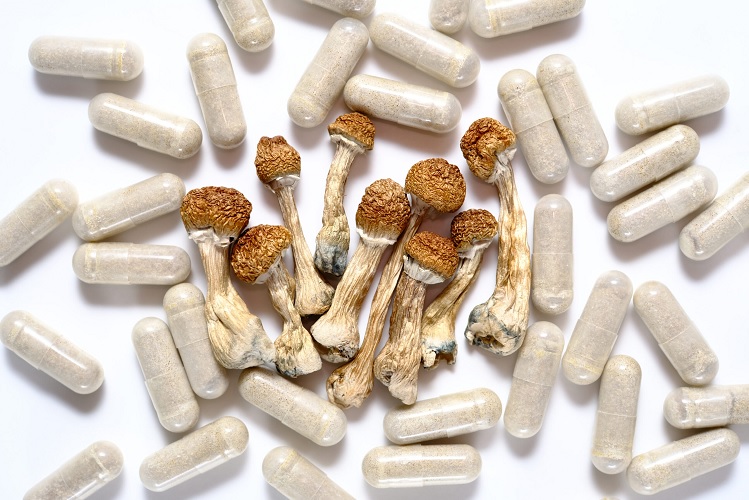
For example, psilocybin comes from “magic mushrooms.” Meanwhile, LSD is a synthetic compound. Both affect serotonin receptors in the brain. As a result, they change mood and awareness.
Importantly, researchers do not use these drugs casually. Instead, they combine them with therapy. This structured approach improves safety and outcomes.
How Psychedelics Affect the Brain
Scientists now understand that psychedelics do more than create hallucinations. In fact, they reshape brain networks.
Recent studies show a shared “neural fingerprint.” This pattern increases communication across different brain regions. Consequently, the brain becomes more flexible.
Moreover, psychedelics reduce activity in the default mode network (DMN). This network controls self-focused thinking. When it becomes less active, rigid thought patterns break down.
As a result, patients often feel mental relief. They can see problems from new angles. Therefore, therapy becomes more effective.
Neuroplasticity: The Key Mechanism
One major benefit of Psychedelic Medicine is neuroplasticity. This means the brain can reorganize itself.
Research shows these substances promote new neural connections. In addition, they may increase dendritic growth. Consequently, the brain adapts faster than with traditional treatments.
Furthermore, some compounds act as “psychoplastogens.” These substances directly enhance brain plasticity. As a result, even a single dose can create lasting change.
Benefits for Mental Health
1. Depression Treatment
Many patients with depression do not respond to standard drugs. However, psychedelic therapy shows strong results.
Studies reveal that psilocybin can reduce depressive symptoms. In some cases, patients achieve remission.
Moreover, effects appear quickly. Traditional antidepressants take weeks. In contrast, psychedelics may work within days.
2. PTSD and Trauma Recovery
Psychedelic Medicine also helps with PTSD. This condition often traps people in fear and negative memories.
However, psychedelics reduce fear responses. At the same time, they increase emotional openness. Therefore, patients can process trauma safely.
As a result, many experience long-term relief.
3. Anxiety and Emotional Disorders
In addition, psychedelics improve emotional regulation. They help people manage stress better.
For example, changes in the amygdala improve emotional responses. Consequently, patients feel less anxious.
Why Psychedelics Work Differently
Traditional medications often target symptoms. However, Psychedelic Medicine addresses root causes.
First, these substances disrupt harmful thought loops. Then, they allow the brain to reset. As a result, patients gain new perspectives.
Second, the experience itself can be meaningful. Many describe it as deeply insightful. Therefore, psychological healing becomes more powerful.
Risks and Limitations
Despite the benefits, Psychedelic Medicine is not risk-free.
Some people may experience anxiety or confusion during sessions. In rare cases, symptoms can worsen. Therefore, medical supervision is essential.
Additionally, research is still ongoing. Experts emphasize the need for larger studies.
Furthermore, legal restrictions limit access in many countries. As a result, progress remains slow.
The Future of Psychedelic Medicine
The future looks promising. Scientists continue to explore new compounds. Some aim to deliver benefits without hallucinations.
For instance, researchers are developing non-hallucinogenic alternatives. These drugs may offer safer treatment options.
At the same time, clinical trials are expanding. Governments are also reconsidering regulations. Therefore, mainstream adoption may come soon.
Ethical and Social Considerations
As interest grows, ethical concerns also rise.
First, accessibility is a challenge. Treatments may be expensive. Therefore, not everyone can benefit equally.
Second, cultural misuse is a risk. Psychedelics have deep historical roots. However, modern use must respect those traditions.
Finally, proper training is essential. Therapists must guide patients safely. Without this, outcomes may vary.
Psychedelic Medicine is transforming brain science. It offers new hope for mental health treatment. Moreover, it provides insights into how the brain works.
Although challenges remain, progress is clear. Research shows real benefits. Therefore, the field is moving toward wider acceptance.
In the coming years, psychedelic therapy may become a standard treatment. As science advances, it could redefine mental healthcare worldwide.
Reference Source:
This article references insights reported in:
https://www.nytimes.com/2026/04/07/health/psychedelic-medicine-brain.html

