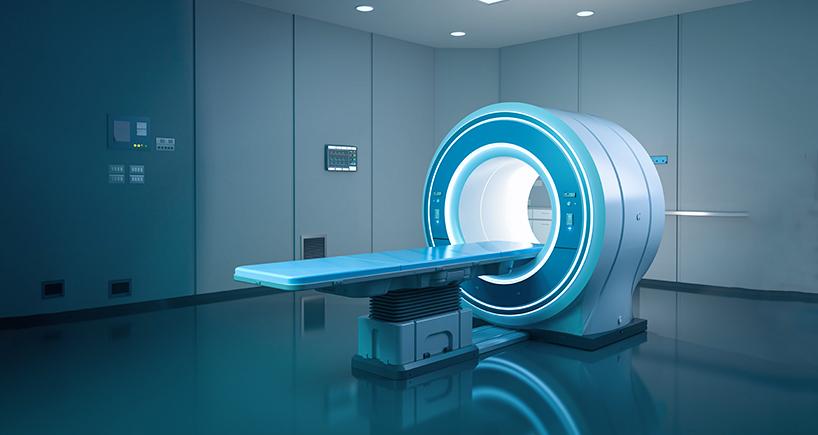
India’s healthcare sector is bracing for a potential cost surge as MRI machines are expected to witness a marginal price hike. Experts warn that ongoing global conflicts—particularly in West Asia—are disrupting critical supply chains, leading to rising costs of essential medical equipment.
While the increase may appear modest initially, its ripple effects could significantly impact diagnostic services, hospital budgets, and ultimately patient affordability.
Why MRI Machines Are Becoming More Expensive
At the heart of this issue lies a lesser-known but crucial resource: helium. MRI machines rely on liquid helium to cool their superconducting magnets, making it indispensable for their functioning.
Helium Shortage Triggered by Global Conflict
Recent geopolitical tensions in West Asia have disrupted helium production and supply chains. Countries like Qatar, which play a major role in global helium supply, are facing logistical and production challenges.
- Helium is a non-renewable gas critical for MRI operations
- Supply disruptions are causing inventory shortages worldwide
- Healthcare providers are experiencing rising operational costs
This shortage is now directly contributing to increased costs for MRI machines and related diagnostic services.
The Role of Global Supply Chains
Modern medical devices depend heavily on globalized supply chains. From raw materials to advanced components, MRI systems are assembled using inputs sourced from multiple countries.
Impact of War on Medical Equipment
Global conflicts disrupt:
- Shipping routes
- Energy supplies
- Raw material availability
These disruptions increase transportation costs and delay production timelines. As a result, manufacturers pass on the additional costs to healthcare providers.
Experts highlight that even a small increase in input costs can significantly affect high-value equipment like MRI machines.
Current Cost of MRI Machines in India
MRI machines are among the most expensive diagnostic tools in healthcare.
Typical Price Range
- Basic MRI systems: ₹1 crore to ₹3 crore
- Advanced 3T MRI machines: Up to ₹10 crore
- Imported high-end systems: ₹8–15 crore depending on features
Even refurbished machines can cost between ₹1 crore and ₹3.5 crore, making them a significant investment for hospitals.
Given these high baseline costs, even a marginal price hike can strain healthcare budgets.
How This Affects Patients
The rising cost of MRI machines is not just a concern for hospitals—it directly impacts patients.
1. Increase in Diagnostic Costs
Hospitals and diagnostic centers may pass on the increased costs to patients, leading to higher charges for MRI scans.
- MRI scans are already expensive for many patients
- Price hikes could reduce accessibility to essential diagnostics
2. Delays in Diagnosis
Supply shortages and rising costs may lead to:
- Reduced availability of MRI machines
- Longer waiting times for scans
This can delay diagnosis and treatment, especially for serious conditions like cancer, neurological disorders, and internal injuries.
Healthcare Providers Under Pressure
Hospitals and imaging centers operate on tight margins, particularly in developing economies like India.
Rising Operational Costs
The helium shortage and supply disruptions are increasing:
- Maintenance costs of MRI machines
- Installation and infrastructure expenses
- Service and replacement costs
Healthcare providers must either absorb these costs or pass them on to patients—both of which present challenges.
India’s Dependence on Imports
India relies heavily on imported medical equipment, including MRI machines and helium supplies.
- A large portion of MRI systems are imported from global manufacturers
- Helium is largely sourced from international suppliers
This dependency makes the country vulnerable to global disruptions.
A Wake-Up Call for Domestic Manufacturing
Experts believe the current crisis highlights the need to:
- Strengthen domestic manufacturing of medical devices
- Invest in alternative technologies
- Reduce reliance on imports
Emerging Solutions: Helium-Free MRI Technology
One promising development is the emergence of helium-free MRI systems.
Benefits of New Technology
- Reduced dependence on helium
- Lower operational costs
- Greater sustainability
Some companies have already begun developing such systems, which could help mitigate future risks associated with supply shortages.
However, widespread adoption will take time due to high initial costs and infrastructure requirements.
Broader Impact on the Medical Device Industry
The price hike in MRI machines is part of a larger trend affecting the entire medical device industry.
Rising Input Costs
- Raw materials like plastics have seen price increases of up to 50%
- Energy and gas costs have surged due to global instability
These factors are contributing to inflation across healthcare equipment, from syringes to advanced imaging systems.
Long-Term Implications for Healthcare in India
The current situation could have lasting effects on India’s healthcare system.
1. Increased Healthcare Costs
Higher equipment and diagnostic costs could make healthcare less affordable for the average patient.
2. Strain on Public Health Infrastructure
Government hospitals may face budget constraints, affecting their ability to upgrade or maintain equipment.
3. Inequality in Access
Rural and low-income populations may be disproportionately affected, widening the healthcare gap.
What Needs to Be Done
To mitigate the impact of rising MRI costs, several steps can be taken:
1. Promote Domestic Manufacturing
Encouraging local production of medical devices can reduce dependency on imports.
2. Invest in Innovation
Supporting research into alternative technologies, such as helium-free MRI systems, can provide long-term solutions.
3. Policy Support
Government initiatives can help stabilize prices through subsidies, incentives, and regulatory support.
4. Strengthen Supply Chains
Diversifying supply sources and improving logistics can reduce vulnerability to global disruptions.
Expert Insights
Medical experts emphasize that while the price increase may be marginal initially, the cumulative effect of multiple global factors could lead to a significant rise in healthcare costs over time.
They warn that proactive measures are essential to prevent a larger crisis in diagnostic accessibility.
The anticipated rise in MRI machine prices in India highlights the deep interconnection between global geopolitics and healthcare systems. A shortage of a critical resource like helium, combined with supply chain disruptions caused by global conflict, is creating new challenges for the medical industry.
While the increase may currently be modest, its impact on hospitals and patients could be substantial if the situation persists. This development serves as a crucial reminder of the need for resilience, innovation, and self-reliance in healthcare infrastructure.
By investing in domestic manufacturing, adopting new technologies, and strengthening supply chains, India can better prepare for future disruptions and ensure that essential diagnostic services remain accessible and affordable for all.
This article references insights reported in: