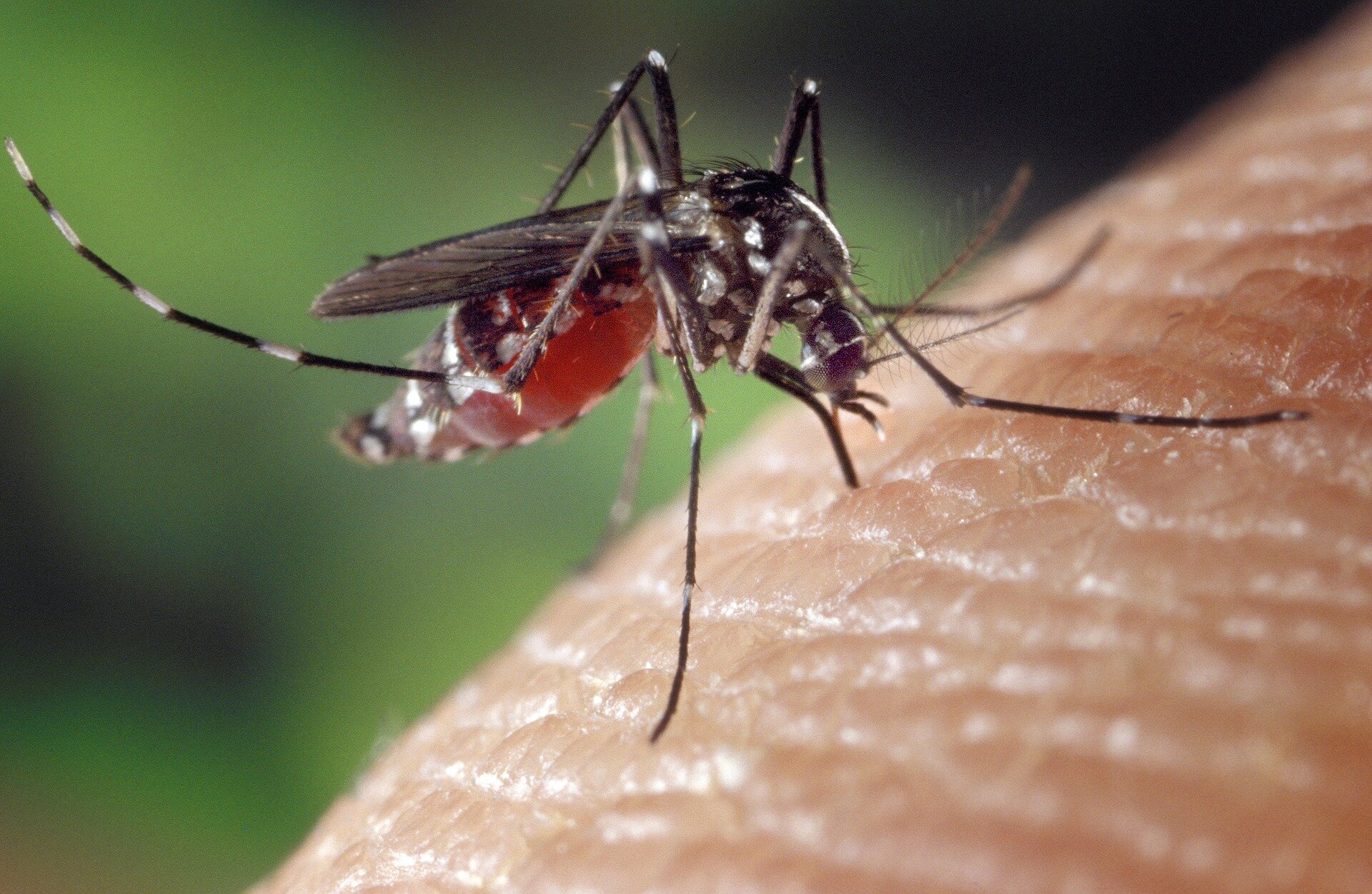
Malaria remains one of the world’s deadliest infectious diseases, claiming hundreds of thousands of lives each year. For decades, one of the most effective strategies to combat malaria has been controlling mosquito populations using insecticides. However, new research reveals a worrying trend—mosquitoes that carry malaria are evolving faster than insecticides can kill them.
This rapid evolution is not just a scientific curiosity; it is a serious global health threat. As mosquitoes adapt, traditional control measures are becoming less effective, potentially reversing decades of progress in malaria prevention.
Understanding how and why mosquitoes are developing resistance is crucial to tackling this growing challenge.
🔬 What the Research Reveals
Recent studies have shown that malaria-carrying mosquitoes, particularly those from the Anopheles genus, are rapidly developing resistance to commonly used insecticides.
Key findings include:
- Mosquitoes are evolving genetic changes that help them survive chemical exposure
- Resistance is spreading across multiple regions worldwide
- Some populations are resistant to multiple classes of insecticides
This trend is deeply concerning because insecticides are central to malaria control strategies such as:
- Indoor residual spraying
- Insecticide-treated bed nets
According to global health experts, insecticide resistance is increasing worldwide and threatens malaria control efforts
🧬 How Mosquitoes Develop Resistance
The process of resistance is a classic example of evolution in action.
1. Natural Selection at Work
When insecticides are used:
- Most mosquitoes die
- A few with genetic mutations survive
- These survivors reproduce and pass on resistant genes
Over time, entire mosquito populations become resistant.
2. Genetic Mutations
Scientists have identified specific mutations that allow mosquitoes to survive insecticides.
These include:
- Changes in nerve receptors targeted by chemicals
- Increased production of detoxifying enzymes
- Altered metabolic pathways
For example, mosquitoes can produce enzymes that break down insecticides before they can act, making treatments ineffective
3. Rapid Evolution Speed
What makes this situation alarming is the speed of adaptation.
- Mosquitoes have short life cycles
- They reproduce quickly
- Genetic changes spread rapidly through populations
This allows resistance to develop in just a few years.
🌍 Why This Is Happening Now
Several human-driven factors are accelerating this evolutionary process.
🚜 1. Overuse of Insecticides
Heavy reliance on insecticides in:
- Public health programs
- Agriculture
creates constant pressure on mosquitoes to adapt.
Research suggests that intensive insecticide use increases selection pressure, speeding up resistance development
🌾 2. Agricultural Chemicals
Insecticides used in farming may also contribute to resistance.
- Mosquitoes exposed to agricultural chemicals develop tolerance
- These traits carry over to public health insecticides
This overlap makes control even more difficult.
🌡️ 3. Climate Change
Warmer temperatures and changing environments:
- Expand mosquito habitats
- Increase breeding rates
- Accelerate evolutionary processes
🏙️ 4. Urbanization
Rapid urban growth creates:
- New breeding grounds
- Increased human-mosquito contact
This intensifies selection pressure and speeds adaptation.
🦠 Why Resistance Is Dangerous
The rise of insecticide-resistant mosquitoes has serious implications.
⚠️ 1. Reduced Effectiveness of Bed Nets
Insecticide-treated bed nets are a cornerstone of malaria prevention. However:
- Resistant mosquitoes survive contact
- Protection levels decline
⚠️ 2. Failure of Spraying Programs
Indoor spraying becomes less effective when mosquitoes are no longer killed by chemicals.
⚠️ 3. Increased Malaria Transmission
As control measures weaken:
- Mosquito populations grow
- Malaria spreads more easily
Studies warn that resistance could reverse gains made in malaria control over the past decade
🧪 The Science Behind “Super Mosquitoes”
Some researchers refer to resistant mosquitoes as “super mosquitoes.”
What makes them different?
- They survive doses that previously killed them
- They can resist multiple insecticides
- They may live longer, increasing disease transmission
Over time, resistance has emerged across all major insecticide classes used in malaria control
🔁 The Role of Evolutionary Biology
This issue highlights a fundamental principle of biology:
👉 Any organism exposed to repeated threats will evolve to survive them
Mosquitoes are particularly good at this because:
- They reproduce rapidly
- They have high genetic diversity
- They adapt quickly to environmental changes
Scientists describe this as an evolutionary arms race between humans and mosquitoes.
🧭 What This Means for Malaria Control
The growing resistance crisis is forcing scientists and policymakers to rethink strategies.
🧪 1. New Insecticides
Researchers are developing:
- New chemical compounds
- Combination insecticides
However, resistance may eventually develop again.
🛏️ 2. Improved Bed Nets
New-generation bed nets use:
- Multiple insecticides
- Synergists that block resistance mechanisms
🧬 3. Genetic Approaches
Emerging technologies include:
- Gene editing
- Gene drives to reduce mosquito populations
🧫 4. Biological Control
Alternative strategies involve:
- Natural predators
- Bacteria that reduce mosquito lifespan
🌱 Sustainable Solutions Are Key
Experts emphasize that relying solely on insecticides is no longer enough.
Future strategies must include:
- Integrated pest management
- Reduced chemical dependence
- Environmental control methods
🧍 Why This Matters to You
Even if you don’t live in a malaria-prone region, this issue has global significance.
Here’s why:
- Malaria still affects millions worldwide
- Drug and insecticide resistance can spread globally
- Climate change may expand malaria zones
✅ What Can Be Done at Individual Level
While large-scale solutions require policy changes, individuals can still take protective steps:
✔ Use Mosquito Nets
Prefer advanced or combination-treated nets where available.
✔ Eliminate Breeding Sites
Remove stagnant water around homes.
✔ Use Repellents
Apply effective mosquito repellents when needed.
✔ Stay Informed
Follow public health advisories in your region.
🌍 The Bigger Picture
The rise of insecticide-resistant mosquitoes is a reminder of how human actions influence nature.
- Overuse of chemicals leads to resistance
- Environmental changes accelerate evolution
- Global health systems must adapt quickly
This is not just a malaria issue—it is part of a broader challenge involving antibiotic resistance, pesticide resistance, and environmental sustainability.
The discovery that malaria-carrying mosquitoes are evolving faster than insecticides can kill them is a wake-up call for global health systems.
It highlights the limits of traditional approaches and the need for innovative, sustainable solutions. While science continues to develop new tools, the key to long-term success lies in understanding and working with nature rather than against it.
This article references insights reported in: