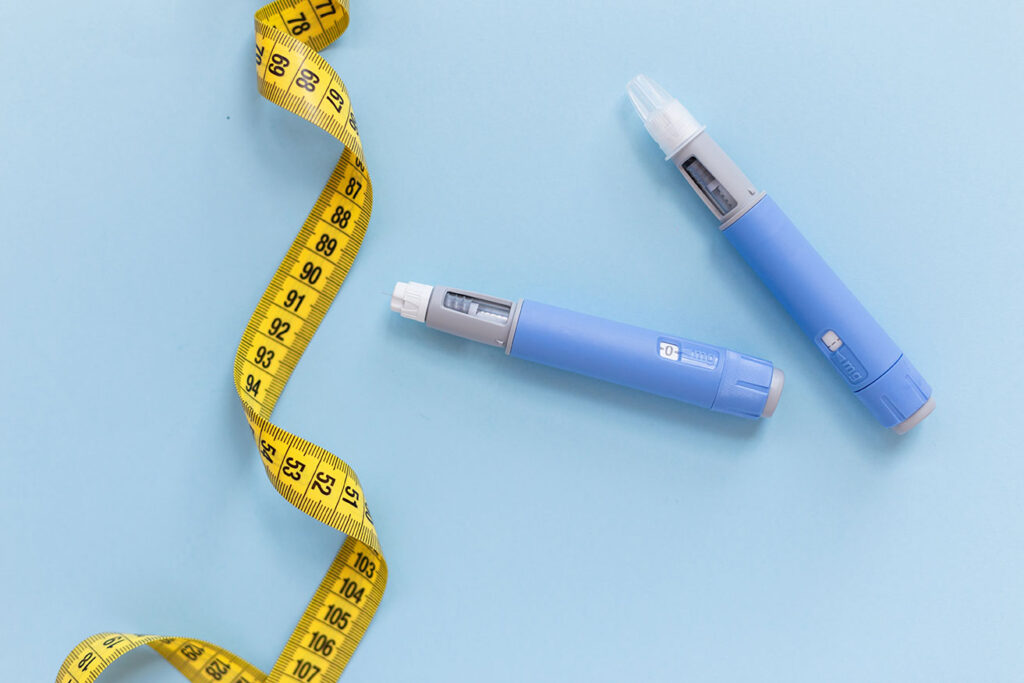
India’s pharmaceutical landscape is witnessing a significant transformation as Novo Nordisk announces substantial price reductions for its widely used drugs, Ozempic and Wegovy. These medications, powered by the active ingredient semaglutide, have become globally recognized for their effectiveness in managing type 2 diabetes and aiding weight loss. The recent price cuts mark a strategic shift aimed at improving accessibility and staying competitive in a rapidly evolving market.
This move comes at a critical time when India is grappling with rising cases of diabetes and obesity, making affordable treatment options more essential than ever. The decision is expected to reshape the accessibility of advanced therapies for millions of patients across the country.
Understanding Ozempic and Wegovy
Before diving into the implications of the price reduction, it is important to understand what these drugs are and why they matter.
What is Ozempic?
Ozempic is a prescription medication primarily used to manage type 2 diabetes. It works by mimicking a hormone called GLP-1 (glucagon-like peptide-1), which helps regulate blood sugar levels. In addition to controlling glucose, it also slows digestion and reduces appetite, often leading to weight loss.
What is Wegovy?
Wegovy, on the other hand, is specifically designed for weight management. It contains the same active ingredient—semaglutide—but is administered at higher doses. It is prescribed for individuals who are overweight or obese, especially those with related health conditions.
Both medications have gained immense popularity globally, including in India, due to their dual benefits of improving metabolic health and promoting weight reduction.
Details of the Price Reduction
Novo Nordisk’s decision to cut prices in India is substantial. Reports indicate that:
- Ozempic prices have been reduced by up to 36%
- Wegovy prices have seen reductions of up to 48%
This means that the monthly cost of treatment has dropped significantly, making these drugs more accessible to a larger segment of the population. Previously considered premium medications, they are now moving closer to affordability for middle-income patients.
Why Did Novo Nordisk Cut Prices?
The price reduction is not an isolated decision but rather a response to several key developments in the Indian pharmaceutical market.
1. Patent Expiry of Semaglutide
One of the primary reasons behind the price cut is the expiration of the semaglutide patent in India. This has opened the door for domestic pharmaceutical companies to manufacture and sell generic versions of the drug.
2. Entry of Low-Cost Generics
Indian pharma companies have quickly capitalized on this opportunity by launching significantly cheaper alternatives. These generics are often priced at a fraction of the original cost, creating intense competition.
3. Market Competition Intensifies
With multiple players entering the market, Novo Nordisk faced increasing pressure to maintain its market share. Reducing prices became a necessary step to remain competitive and relevant.
4. Expanding Access to Treatment
India has one of the largest populations of people with diabetes and obesity. By lowering prices, Novo Nordisk aims to broaden its customer base and improve treatment accessibility.
Impact on Patients in India
The price reduction is expected to have far-reaching effects on patients across the country.
Improved Affordability
For many patients, cost has been a major barrier to accessing advanced treatments like Ozempic and Wegovy. The price cut reduces this barrier, allowing more people to consider these options.
Better Disease Management
Affordable medication can lead to better adherence to treatment plans. Patients are more likely to continue therapy when it is financially sustainable, resulting in improved health outcomes.
Increased Awareness and Demand
As prices drop, awareness and demand for these drugs are likely to increase. More doctors may recommend them, and more patients may seek them out.
Challenges That Still Remain
While the price cuts are a positive development, several challenges persist.
1. Still Not Affordable for Everyone
Even after reductions, these medications may remain out of reach for lower-income groups. The absence of widespread insurance coverage further limits accessibility.
2. Risk of Misuse
The popularity of semaglutide-based drugs for weight loss has led to concerns about misuse. Some individuals may seek these medications without proper medical guidance, which can be dangerous.
3. Supply and Availability Issues
With rising demand, there is a risk of supply shortages. Ensuring consistent availability will be crucial in the coming months.
The Rise of Generic Alternatives
The entry of generic semaglutide has been a game-changer in the Indian market.
Lower Pricing
Generic versions are significantly cheaper, making them attractive to cost-conscious consumers.
Increased Competition
The presence of generics forces branded drug manufacturers to innovate and adjust pricing strategies.
Quality Considerations
While generics are more affordable, patients and healthcare providers must ensure that they meet quality and safety standards.
India’s Growing Diabetes and Obesity Burden
India is often referred to as the “diabetes capital of the world,” and the numbers are staggering.
- Millions of people are living with type 2 diabetes
- Obesity rates are steadily rising
- Lifestyle-related diseases are becoming more common
These trends highlight the urgent need for effective and affordable treatment options. The availability of drugs like Ozempic and Wegovy at lower prices could play a significant role in addressing this health crisis.
Strategic Importance for Novo Nordisk
The price cut is also a strategic move for Novo Nordisk.
Maintaining Market Leadership
By adjusting prices, the company aims to retain its leadership position in the GLP-1 drug segment.
Strengthening Brand Trust
Making medications more accessible can enhance the company’s reputation and build long-term trust among patients and healthcare providers.
Expanding Market Reach
Lower prices can attract a broader customer base, especially in a price-sensitive market like India.
Future Outlook
The Indian pharmaceutical market is expected to undergo further changes in the coming years.
Continued Price Competition
As more companies enter the market, price competition is likely to intensify, benefiting consumers.
Innovation in Treatment
Pharmaceutical companies may invest in developing new and improved therapies to stay ahead of the competition.
Policy and Regulation
Government policies and regulations will play a crucial role in ensuring fair pricing, quality standards, and patient safety.
The decision by Novo Nordisk to reduce the prices of Ozempic and Wegovy in India marks a significant milestone in the country’s healthcare landscape. It reflects the growing influence of generic competition and highlights the importance of affordability in improving access to essential medications.
While challenges remain, the price cuts offer hope to millions of patients struggling with diabetes and obesity. As the market continues to evolve, the focus must remain on balancing affordability, accessibility, and safety.
This article references insights reported in:


