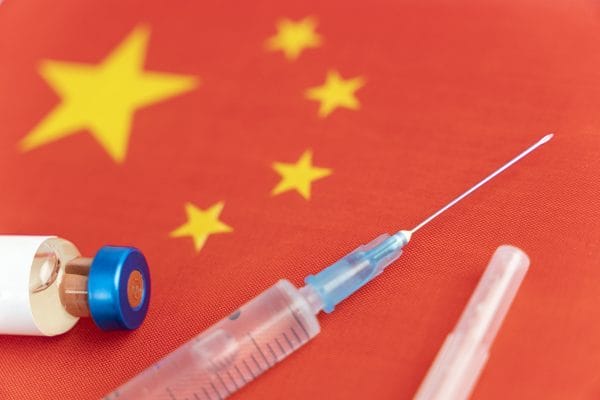
China has taken a significant step forward in the global fight against mpox by approving a domestically developed vaccine candidate for clinical trials. This development reflects growing urgency among health authorities worldwide to strengthen preparedness against emerging infectious diseases.
With mpox continuing to pose intermittent threats across regions, the move by China’s drug regulator signals both scientific progress and strategic readiness. As countries invest heavily in vaccine innovation, China’s entry into the mpox vaccine race could play a crucial role in shaping future outbreak responses.
Understanding Mpox and Its Global Impact
Mpox, formerly known as monkeypox, is a viral disease caused by the monkeypox virus, part of the orthopoxvirus family. It spreads primarily through close contact with infected individuals, bodily fluids, or contaminated materials.
Symptoms and Transmission
Common symptoms include:
- Fever and chills
- Muscle aches
- Swollen lymph nodes
- Skin rashes and lesions
Although generally less severe than diseases like smallpox, mpox can still lead to serious complications, especially in vulnerable populations.
Global Spread and Concerns
Mpox gained global attention during outbreaks in 2022 and beyond, prompting the World Health Organization (WHO) to declare it a public health emergency. While cases have since declined in some regions, sporadic transmission continues worldwide, highlighting the need for long-term solutions.
China’s Breakthrough: Vaccine Cleared for Clinical Trials
China’s top drug regulator has approved an mpox vaccine candidate developed domestically, marking the country’s first major step toward producing a homegrown solution.
Who Developed the Vaccine?
The vaccine has been developed by a subsidiary of Sinopharm, one of China’s leading pharmaceutical companies. The candidate is designed using advanced biotechnology and is backed by strong preclinical data.
What Does Approval Mean?
Approval for clinical trials indicates that:
- The vaccine has passed initial laboratory and animal testing
- It is considered safe enough for human testing
- Researchers can now evaluate its safety and effectiveness in people
This milestone places China among a growing list of countries actively developing next-generation mpox vaccines.
Clinical Trials: What Happens Next?
Clinical trials are conducted in multiple phases to ensure a vaccine’s safety and efficacy.
Phase 1: Safety Testing
The first phase focuses on a small group of volunteers to assess safety, dosage, and immune response.
Phase 2: Expanded Testing
In this stage, the vaccine is tested on a larger group to evaluate its effectiveness and identify side effects.
Phase 3: Large-Scale Validation
Thousands of participants are involved to confirm efficacy and monitor rare adverse reactions.
In China’s case, the mpox vaccine has entered early-stage trials, where researchers will closely observe immune responses and potential risks.
Why This Development Matters
The approval of China’s mpox vaccine trial carries several important implications.
1. Strengthening Global Vaccine Supply
Currently, there are limited mpox vaccines available worldwide. A new candidate from China could help bridge supply gaps and improve access, particularly in low- and middle-income countries.
2. Enhancing Pandemic Preparedness
The COVID-19 pandemic highlighted the importance of rapid vaccine development. China’s progress demonstrates a proactive approach to future health emergencies.
3. Encouraging Innovation
The development of new vaccine platforms can lead to more effective and safer immunization strategies, benefiting global healthcare systems.
The Science Behind the Vaccine
China’s mpox vaccine is based on a modified vaccinia virus platform, similar to traditional smallpox vaccines. This approach is designed to:
- Trigger a strong immune response
- Provide cross-protection against mpox
- Minimize replication in human cells for improved safety
Research suggests that such vaccines can offer broad protection against orthopoxviruses, making them valuable tools in disease control.
Global Efforts to Develop Mpox Vaccines
China is not alone in the race to develop mpox vaccines. Several countries and organizations are actively working on similar initiatives.
Existing Vaccines
- Smallpox vaccines like Jynneos have been repurposed for mpox
- These vaccines have shown high effectiveness in preventing infection
Ongoing Research
- New-generation vaccines are being developed using mRNA and live-attenuated technologies
- Multiple clinical trials are underway globally
Despite progress, experts emphasize the need for more targeted and scalable solutions.
Challenges in Mpox Vaccine Development
Developing a vaccine for mpox comes with several challenges:
Limited Data
Mpox outbreaks have been sporadic, making it difficult to gather large datasets for research.
Evolving Virus Strains
New variants, such as the clade Ib strain, pose additional challenges for vaccine effectiveness.
Distribution and Storage
Vaccines must be easy to store and distribute, especially in regions with limited healthcare infrastructure.
China’s Growing Role in Global Healthcare
China’s entry into mpox vaccine development highlights its expanding influence in global healthcare.
Past Achievements
- Rapid COVID-19 vaccine development
- Strong manufacturing capabilities
- Increasing investment in biotechnology
Future Potential
China’s ability to produce vaccines at scale could play a critical role in addressing global shortages and ensuring equitable access.
Public Health Implications
The approval of a new vaccine candidate has significant implications for public health.
Improved Disease Control
Effective vaccines can reduce transmission rates and prevent outbreaks.
Reduced Healthcare Burden
Fewer cases mean less strain on healthcare systems, allowing resources to be allocated more efficiently.
Increased Awareness
Vaccine development efforts also raise awareness about mpox and encourage preventive measures.
The Road Ahead
While the approval of clinical trials is a promising step, several stages remain before the vaccine can be widely available.
Regulatory Approval
The vaccine must pass all trial phases and receive regulatory clearance.
Mass Production
Manufacturing capacity must be scaled up to meet demand.
Global Distribution
Efforts must be made to ensure equitable access across countries.
China’s approval of an mpox vaccine for clinical trials marks a pivotal moment in the fight against emerging infectious diseases. As the world continues to grapple with the threat of mpox, this development underscores the importance of innovation, collaboration, and preparedness. While challenges remain, the progress made by China and other countries offers hope for a future where outbreaks can be controlled more effectively. With continued investment in research and global cooperation, the goal of preventing widespread mpox transmission is becoming increasingly achievable.
This article references insights reported in:


