
Hair care is a crucial part of personal hygiene, yet many people often wonder how frequently they should wash their hair. While some prefer daily washing, others stretch it out for days or even weeks. But what actually happens when you don’t wash your hair for too long? Is it harmful, or can your hair benefit from fewer washes?
The truth lies somewhere in between. Not washing your hair for too many days can lead to several scalp and hair-related issues, especially if it becomes a habit. Understanding these effects can help you maintain the right balance for healthy hair and scalp.
Understanding Your Scalp: The Basics
Before diving into the consequences, it’s important to understand how your scalp works. Your scalp produces a natural oil called sebum. This oil helps:
- Keep your hair moisturized
- Protect the scalp from dryness
- Maintain overall hair health
However, when this oil accumulates without being washed away, it can create problems.
Oil and Dirt Buildup on the Scalp
One of the first things that happens when you stop washing your hair is the buildup of oil, dirt, and sweat.
Why does this happen?
- Sebum continues to be produced daily
- Dust and pollution stick to the oily scalp
- Dead skin cells accumulate over time
Effects on your hair
- Hair becomes greasy and limp
- It loses volume and shine
- Scalp feels sticky and uncomfortable
This buildup can make your hair look unhealthy and unclean, even if the rest of your body is well-groomed.
Clogged Hair Follicles and Growth Issues
When oil, dirt, and dead skin cells accumulate, they can block hair follicles.
What are the consequences?
- Hair follicles struggle to function properly
- Reduced oxygen and nutrient flow to roots
- Slower hair growth
In some cases, clogged follicles may even lead to small bumps or scalp acne, which can be painful and irritating.
Increased Risk of Dandruff and Scalp Conditions
Skipping hair wash for extended periods can create the perfect environment for fungal growth.
Common scalp conditions include:
- Dandruff
- Seborrheic dermatitis
- Itchy scalp
These conditions are often triggered by excess oil and microbial growth on the scalp.
Symptoms you may notice:
- White or yellow flakes
- Persistent itching
- Redness or inflammation
If left untreated, these issues can worsen and require medical treatment.
Itching, Irritation, and Scalp Damage
An unclean scalp often becomes itchy due to buildup and microbial activity.
What happens next?
- You scratch your scalp frequently
- Scratching damages the skin barrier
- Tiny wounds may develop
This can lead to secondary infections and increased sensitivity of the scalp. Over time, this damage can negatively impact hair health.
Unpleasant Odour and Discomfort
Another noticeable effect of not washing your hair is bad odor.
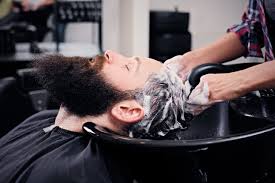
Why does hair start smelling?
- Oil mixes with sweat and bacteria
- Microbial activity produces odor
This can make your hair feel and smell unpleasant, especially in hot and humid climates.
Overgrowth of Microorganisms
Your scalp naturally hosts microorganisms, including bacteria and tiny mites. While they are usually harmless, poor hygiene can cause them to multiply.
Possible effects include:
- Increased scalp irritation
- Inflammation of hair follicles
- Worsening of dandruff
Maintaining proper scalp hygiene helps keep these microorganisms in balance.
Hair Weakness and Increased Hair Fall
Over time, poor scalp health can lead to hair-related issues.
How does it affect hair?
- Weakens hair roots
- Causes inflammation around follicles
- Disrupts the hair growth cycle
This may result in increased hair shedding or thinning, especially if the condition persists.
Impact on Different Hair Types
Not everyone experiences the same effects. The impact depends largely on your hair type.
Oily Hair
- Gets greasy quickly
- Needs more frequent washing
- More prone to dandruff
Dry Hair
- Can go longer without washing
- Less oil buildup
- Risk of dryness if over-washed
Curly or Textured Hair
- Naturally drier
- Washing too often can strip moisture
- Can tolerate longer gaps between washes
Understanding your hair type is essential to finding the right routine.
Environmental Factors That Make It Worse
External factors also play a role in how quickly your scalp gets dirty.
Key factors include:
- Pollution
- Humidity
- Sweat
- Lifestyle and physical activity
For example, if you live in a polluted or humid area, your hair may require more frequent washing compared to someone in a cleaner environment.
Is It Ever Okay to Skip Washing?
Yes, skipping hair wash occasionally is not harmful. In fact, overwashing can also damage your hair.
Benefits of moderate washing:
- Preserves natural oils
- Prevents dryness
- Maintains hair texture
However, the key is moderation. Long-term neglect of scalp hygiene is what leads to problems.
Finding the Right Hair Washing Routine
There is no universal rule for how often you should wash your hair. The ideal frequency depends on your hair type and lifestyle.
General guidelines:
- Oily hair: Every 1–2 days
- Normal hair: Every 2–3 days
- Dry or curly hair: 2–4 times a week
Tips for better hair care:
- Use a mild shampoo
- Massage your scalp gently
- Avoid harsh chemicals
- Keep your combs and brushes clean
Signs You Need to Wash Your Hair
Instead of following a strict schedule, pay attention to your scalp.
Watch for these signs:
- Greasy or sticky hair
- Visible flakes
- Itchy scalp
- Unpleasant odor
These are clear indicators that your scalp needs cleansing.
Common Myths About Hair Washing
Myth 1: Not washing hair makes it healthier
While natural oils are beneficial, excessive buildup can harm your scalp.
Myth 2: Daily washing causes hair fall
Hair fall is usually linked to other factors like genetics, stress, or health issues—not just washing frequency.
Myth 3: Shampoo damages hair
Using the right shampoo in moderation is safe and necessary for scalp hygiene.
Balancing Hair Hygiene and Natural Oils
The key to healthy hair lies in maintaining balance.
Avoid these extremes:
- Washing too often → dryness and breakage
- Washing too rarely → buildup and infections
Instead, aim for a routine that keeps your scalp clean without stripping away essential oils.
When to See a Specialist
If you notice persistent scalp issues, it may be time to consult a professional.
Seek help if you experience:
- Severe dandruff
- Continuous itching
- Excessive hair fall
- Scalp infections
Early treatment can prevent long-term damage to your hair and scalp.
Conclusion
Not washing your hair for too many days may seem harmless at first, but it can lead to several issues over time. From oil buildup and clogged follicles to dandruff and hair fall, poor scalp hygiene can significantly affect your hair health.
However, this doesn’t mean you need to wash your hair daily. The key is understanding your hair type, lifestyle, and environment to create a balanced routine. Clean hair is not just about appearance—it’s essential for maintaining a healthy scalp and strong, vibrant hair. By following a consistent and suitable hair care routine, you can avoid these problems and keep your hair looking and feeling its best.
This article references insights reported in:
https://indianexpress.com/article/lifestyle/life-style/what-happens-if-dont-wash-hair-for-too-many-days-9761201/
