
Osteoarthritis Diagnosis plays a key role in managing joint pain and improving quality of life. Early detection helps reduce damage and slow progression. Therefore, doctors focus on symptoms, physical exams, and imaging tests. Moreover, timely diagnosis allows better treatment planning. As a result, patients can maintain mobility and comfort for longer periods.
What Is Osteoarthritis and Why Diagnosis Matters
Osteoarthritis is a common joint condition. It occurs when cartilage wears down over time. Consequently, bones begin to rub against each other. This leads to pain, stiffness, and swelling.
However, accurate Osteoarthritis Diagnosis is essential. Without proper diagnosis, symptoms may be confused with other conditions. For example, rheumatoid arthritis or gout may show similar signs. Therefore, correct identification helps avoid wrong treatments.
Common Symptoms Doctors Look For
Before confirming Osteoarthritis Diagnosis, doctors carefully review symptoms. These symptoms often develop slowly.
Key symptoms include:
- Joint pain during or after movement
- Stiffness, especially in the morning
- Reduced flexibility
- Swelling around joints
- Clicking or grinding sensation
Moreover, symptoms may worsen with activity. In contrast, rest may provide temporary relief.
Physical Examination in Osteoarthritis Diagnosis
Doctors begin Osteoarthritis Diagnosis with a physical exam. During this step, they assess joint condition.
They usually check:
- Tenderness in joints
- Swelling or redness
- Range of motion
- Joint stability
Additionally, doctors may ask about pain patterns. This helps identify whether the condition matches osteoarthritis. Therefore, physical exams remain a crucial first step.
Medical History and Symptom Review
A detailed medical history supports Osteoarthritis Diagnosis. Doctors ask about lifestyle, previous injuries, and family history.
For example:
- Past joint injuries increase risk
- Repetitive movements may worsen damage
- Age and weight also play a role
Furthermore, understanding symptom duration helps determine severity. As a result, doctors can plan the next tests effectively.
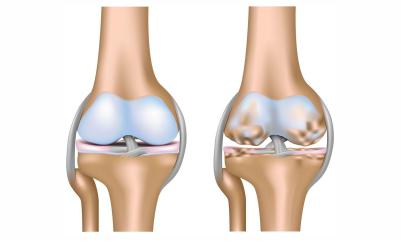
Imaging Tests for Osteoarthritis Diagnosis
1. X-rays (Most Common Test)
X-rays are widely used in Osteoarthritis Diagnosis. They reveal joint damage clearly.
They can show:
- Narrowed joint space
- Bone spurs
- Bone changes
However, cartilage does not appear directly. Still, its loss becomes visible through spacing changes.
2. MRI (Advanced Imaging)
MRI scans provide detailed images. Therefore, they help in complex cases.
They show:
- Soft tissues
- Cartilage condition
- Early joint damage
However, doctors do not always require MRI. It is mainly used when X-rays are unclear.
Laboratory Tests in Osteoarthritis Diagnosis
Although no single test confirms osteoarthritis, lab tests help rule out other diseases.
Common lab tests include:
- Blood tests
- Joint fluid analysis
Doctors use these tests to check for:
- Rheumatoid arthritis
- Infection
- Gout
Additionally, joint fluid analysis helps identify inflammation causes. Therefore, it supports accurate diagnosis.
Joint Fluid Analysis Explained
In some cases, doctors remove fluid from the joint. This process is called aspiration.
Then, the fluid is examined under a microscope. As a result, doctors can detect:
- Infection
- Crystals (gout)
- Inflammatory conditions
Thus, this step improves the accuracy of Osteoarthritis Diagnosis.
How Doctors Confirm Osteoarthritis
Doctors combine multiple factors to confirm the condition. There is no single test.
Diagnosis is based on:
- Symptoms
- Physical exam
- Imaging results
- Lab findings
Therefore, a complete evaluation ensures reliable results.
Early Diagnosis and Its Benefits
Early Osteoarthritis Diagnosis offers several advantages.
Key benefits:
- Slows disease progression
- Reduces joint damage
- Improves treatment outcomes
- Enhances quality of life
Moreover, early action helps maintain daily activities. As a result, patients stay active longer.
Conditions That Mimic Osteoarthritis
Doctors must rule out similar conditions. Otherwise, treatment may fail.
Common similar conditions:
- Rheumatoid arthritis
- Gout
- Psoriatic arthritis
Therefore, proper testing ensures correct identification.
When Should You See a Doctor?
You should consult a doctor if symptoms persist. Early attention supports faster recovery.
Warning signs:
- Constant joint pain
- Swelling that does not improve
- Limited movement
- Pain during daily activities
Additionally, ignoring symptoms may worsen the condition. Therefore, timely consultation is essential.
Tips to Support Early Detection
Although doctors handle diagnosis, you can take steps to notice early signs.
Helpful tips:
- Monitor joint pain regularly
- Maintain a healthy weight
- Stay physically active
- Avoid joint overuse
Furthermore, tracking symptoms helps doctors make quicker decisions.
Osteoarthritis Diagnosis involves a combination of methods. Doctors use symptoms, exams, and tests to confirm the condition. Moreover, early detection improves treatment success. Therefore, recognizing signs early is important.
In conclusion, proper diagnosis not only reduces pain but also helps maintain mobility. As a result, patients can lead healthier and more active lives.