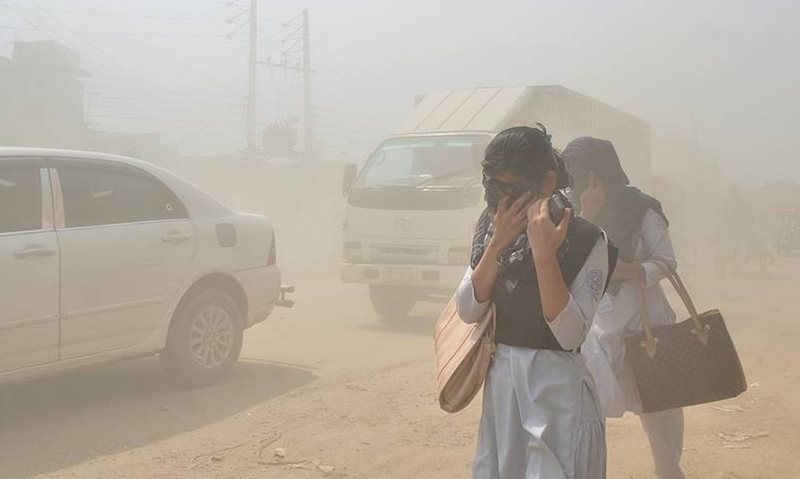
Air pollution has emerged as one of the most pressing environmental and health challenges in India. Recent reports highlight that the country continues to rank among the most polluted in the world, with several cities consistently recording hazardous air quality levels.
Despite government initiatives and policy frameworks, the crisis is deepening. Rising pollution levels are not only damaging the environment but also severely impacting public health, economic productivity, and overall quality of life.
Understanding the Air Pollution Crisis in India
Air pollution refers to the presence of harmful substances in the air, including particulate matter (PM2.5 and PM10), nitrogen dioxide, sulfur dioxide, and carbon monoxide. Among these, PM2.5 is particularly dangerous because it can penetrate deep into the lungs and bloodstream.
As of recent data, many Indian cities continue to experience unhealthy air quality levels, with AQI readings frequently exceeding safe limits.
In fact, India’s average PM2.5 levels are nearly 11 times higher than the World Health Organization’s recommended limits, making it a serious health hazard.
Why India Tops Global Pollution Rankings
1. Rapid Urbanization and Industrial Growth
India’s fast-paced urbanization has significantly contributed to rising pollution levels. Expanding cities bring increased construction activities, industrial emissions, and higher energy demand.
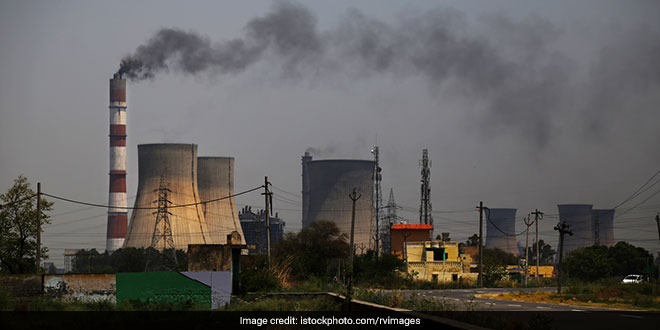
Industries release large amounts of pollutants into the air, especially in urban clusters, worsening the overall air quality.
2. Vehicular Emissions: A Major Contributor
The surge in vehicle ownership has made transportation one of the leading sources of pollution. Emissions from cars, trucks, and especially diesel vehicles release harmful gases and fine particulate matter.
Studies indicate that vehicle emissions contribute a significant portion of urban air pollution, particularly in metro cities.
3. Construction Dust and Road Dust
Construction activities and poorly maintained roads generate massive amounts of dust. During dry weather, this dust becomes airborne and contributes heavily to PM10 pollution.
This issue is especially severe in rapidly growing cities where infrastructure development is ongoing.
4. Crop Burning and Seasonal Pollution
Seasonal crop residue burning in northern regions significantly worsens air quality, especially during winter months. This practice releases massive amounts of smoke and particulate matter into the atmosphere.
It is one of the key reasons behind the severe smog episodes observed in cities like Delhi.
5. Household and Biomass Emissions
In many parts of India, especially rural areas, people still rely on traditional fuels like wood, coal, and dung for cooking and heating.
These sources contribute significantly to air pollution, accounting for a large share of particulate emissions.
Air Quality Trends Across Indian Cities
Air pollution is not limited to a few cities—it is a nationwide problem. Major urban centers like Delhi, Kolkata, and Patna frequently report poor air quality levels.
Recent data shows:
- Many cities consistently fall under “moderate” to “poor” AQI categories
- Some cities experience “very poor” or “severe” air quality during peak seasons
- Pollution levels fluctuate but remain above safe thresholds
Additionally, a large percentage of Indian cities suffer from chronic PM2.5 pollution, indicating a long-term environmental issue rather than short-term spikes.
Health Impacts of Air Pollution in India
1. Respiratory Diseases
Exposure to polluted air increases the risk of:
- Asthma
- Bronchitis
- Chronic obstructive pulmonary disease (COPD)
Children and the elderly are particularly vulnerable.
2. Cardiovascular Problems
Air pollution is linked to heart diseases, strokes, and high blood pressure. Fine particles can enter the bloodstream and affect heart function.
3. Premature Deaths
Air pollution is one of the leading causes of premature deaths in India, responsible for over 2 million deaths annually.
4. Reduced Life Expectancy
Long-term exposure to polluted air can significantly reduce life expectancy, making it one of the most serious public health threats in the country.
Economic and Social Impact
The air pollution crisis goes beyond health—it also affects the economy and daily life.
1. Loss of Productivity
Workers exposed to poor air quality may suffer from fatigue and illness, leading to reduced productivity.
2. Increased Healthcare Costs
Rising pollution levels increase the burden on healthcare systems due to higher cases of respiratory and cardiac diseases.
3. Impact on Education
During severe pollution episodes, schools are often closed to protect children, disrupting education.
Government Efforts to Control Air Pollution
The Indian government has introduced several initiatives to tackle pollution:
1. National Clean Air Programme (NCAP)
Aims to reduce particulate pollution in major cities through targeted interventions.
2. Graded Response Action Plan (GRAP)
Implements emergency measures during severe pollution episodes, including:
- Construction bans
- Traffic restrictions
- Industrial shutdowns
3. Promotion of Clean Energy
Efforts to reduce dependence on fossil fuels and promote renewable energy sources.
Challenges in Tackling the Air Pollution Crisis
Despite these measures, several challenges persist:
1. Weak Implementation
Policies often fail at the execution level due to lack of coordination and enforcement.
2. Limited Coverage
Many polluted cities are not adequately covered under national programs.
3. Funding Constraints
Budget cuts and limited financial resources hinder large-scale pollution control efforts.
The Role of Weather and Seasonal Factors
Weather plays a significant role in air quality. For example:
- Winter traps pollutants close to the ground
- Lack of wind prevents dispersion
- Rain temporarily improves air quality
However, these are short-term changes and do not address the root causes.
What Can Be Done to Improve Air Quality in India
1. Strengthening Public Transport
Encouraging the use of buses, metros, and electric vehicles can reduce vehicular emissions.
2. Controlling Industrial Emissions
Strict regulations and monitoring systems are needed to limit industrial pollution.
3. Promoting Clean Cooking Fuels
Replacing traditional fuels with cleaner alternatives like LPG can significantly reduce household emissions.
4. Managing Construction and Dust
Better regulation of construction activities and road maintenance can reduce dust pollution.
5. Public Awareness and Participation
Citizens play a crucial role in reducing pollution through responsible behavior and lifestyle choices.
The Road Ahead: A Cleaner Future for India
Addressing air pollution requires a multi-pronged approach involving government, industries, and citizens. Long-term solutions must focus on sustainable development, clean energy, and stricter environmental regulations.
India’s air pollution crisis is not just an environmental issue—it is a public health emergency that demands immediate and sustained action.
Air pollution in India continues to worsen, placing the country among the most polluted globally. Despite various initiatives, the gap between policy and implementation remains a major hurdle.
To effectively tackle this crisis, India must prioritize long-term strategies, strengthen enforcement, and increase public awareness. Only through collective efforts can the country move towards cleaner air and a healthier future.
