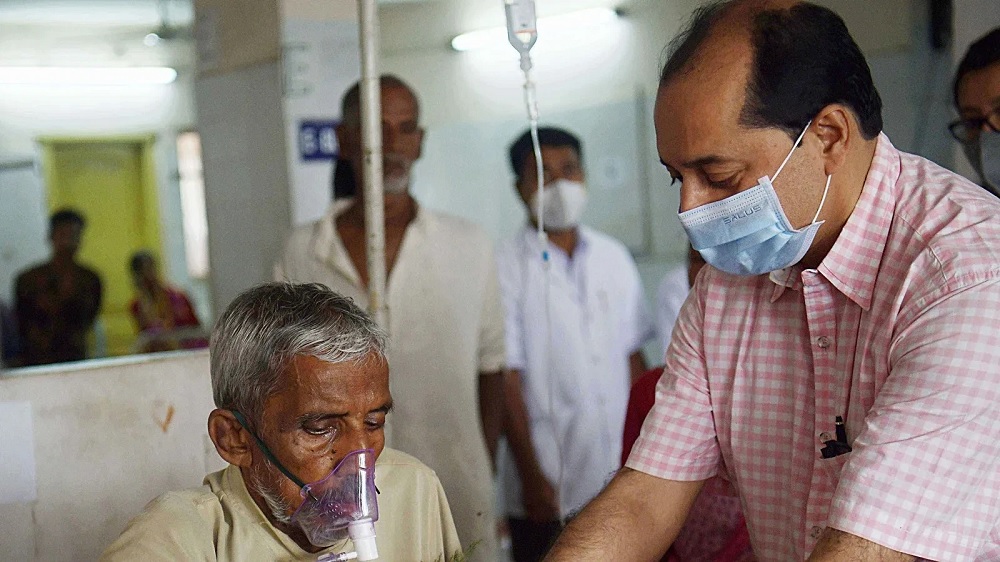
Tuberculosis, commonly known as TB, remains one of the most serious public health challenges in India. Despite the availability of free diagnosis and treatment through government programs, thousands of people continue to lose their lives every year. This contradiction raises a crucial question: if treatment is free and widely available, why does TB still claim so many lives?
The answer lies not in the absence of medical solutions but in systemic gaps, delayed diagnosis, social stigma, and healthcare accessibility issues. Understanding these factors is essential to addressing the problem and moving closer to eliminating TB.
Understanding Tuberculosis in India
Tuberculosis is an infectious disease caused by bacteria that primarily affect the lungs but can also impact other parts of the body. It spreads through the air when an infected person coughs or sneezes, making it highly contagious in densely populated regions.
India carries the highest TB burden in the world, accounting for a significant proportion of global cases. Despite consistent government efforts, the disease continues to affect millions annually, particularly in economically weaker sections of society.
The Promise of Free TB Treatment in India
The government of India has implemented extensive programs to combat TB, including free testing, medication, and follow-up care. These initiatives aim to ensure that no patient is denied treatment due to financial constraints.
Through national health missions, patients can access:
- Free diagnostic tests
- Free anti-TB medication
- Nutritional support schemes
- Regular monitoring and follow-up
On paper, this system appears robust. However, the reality on the ground tells a different story.
Why Tuberculosis in India Still Leads to Deaths
1. Delayed Diagnosis: The Biggest Challenge
One of the primary reasons TB continues to be fatal is late detection. Many individuals ignore early symptoms such as persistent cough, fever, or weight loss. By the time they seek medical attention, the disease has often progressed to an advanced stage.
Early detection is critical for successful treatment. Delays not only worsen the patient’s condition but also increase the risk of spreading the infection to others.
2. Limited Access to Healthcare Services
While urban areas have better healthcare infrastructure, rural and remote regions often struggle with limited access. Patients may need to travel long distances for testing and treatment, leading to delays or complete avoidance of care.
In many cases, healthcare facilities lack adequate diagnostic tools or trained personnel, further complicating timely intervention.
3. Social Stigma Surrounding TB
Stigma remains a powerful barrier in TB control. Many patients fear social isolation, discrimination, or loss of employment if diagnosed with TB. As a result, they hesitate to get tested or disclose their condition.
This silence contributes significantly to the spread of the disease and delays in treatment.
4. Treatment Dropouts and Poor Adherence
TB treatment typically requires a long course of medication, often lasting six months or more. Many patients discontinue treatment midway due to:
- Side effects
- Feeling better before completion
- Lack of awareness
- Economic pressures
Incomplete treatment can lead to drug-resistant TB, which is much harder and costlier to treat.
5. The “TB Care Cascade” Problem
Healthcare experts often refer to the TB care system as a “cascade,” where patients can drop out at multiple stages:
- Not getting tested
- Not receiving a diagnosis
- Not starting treatment
- Not completing treatment
Each of these gaps contributes to continued transmission and mortality.
The Burden of Tuberculosis in India
India’s TB burden remains alarmingly high. Millions of cases are reported every year, and the actual number may be even higher due to underreporting.
The disease disproportionately affects:
- Low-income populations
- People living in crowded conditions
- Individuals with weak immune systems
- Malnourished individuals
These factors create a cycle where poverty and disease reinforce each other.
Government Efforts to Eliminate TB
India has set ambitious targets to eliminate TB. The country initially aimed to eradicate the disease by 2025, ahead of global targets. While progress has been made, achieving complete elimination remains a challenge.
Key initiatives include:
- Nationwide awareness campaigns
- Expansion of diagnostic centers
- Digital tracking of TB patients
- Community-based interventions
Despite these efforts, bridging the gap between policy and implementation remains critical.
The Role of Awareness and Education
Awareness plays a vital role in controlling TB. Many people are still unaware of the symptoms, transmission methods, and availability of free treatment.
Educating communities can lead to:
- Early detection
- Reduced stigma
- Better treatment adherence
- Lower transmission rates
Mass campaigns, school programs, and community outreach can significantly improve public understanding.
Improving Early Detection Strategies
To reduce TB-related deaths, early detection must be prioritized. This can be achieved through:
- Routine screening in high-risk populations
- Mobile diagnostic units in rural areas
- Integration of TB screening into primary healthcare services
Early diagnosis not only saves lives but also prevents the spread of infection.
Strengthening Healthcare Infrastructure
Improving healthcare infrastructure is essential for effective TB control. This includes:
- Increasing the number of testing centers
- Training healthcare workers
- Ensuring availability of diagnostic tools
- Enhancing patient support systems
A stronger healthcare system can reduce delays and improve treatment outcomes.
Addressing Nutritional and Economic Factors
Nutrition plays a crucial role in TB recovery. Malnourished individuals are more vulnerable to infection and slower to recover.
Providing nutritional support and financial assistance can:
- Improve patient outcomes
- Reduce treatment dropouts
- Enhance overall recovery rates
Economic stability also allows patients to focus on completing their treatment without worrying about daily survival.
Combating Stigma and Social Barriers
Eliminating stigma requires collective effort. Society must move towards a more supportive and informed approach to TB patients.
This can be achieved through:
- Public awareness campaigns
- Community engagement
- Encouraging open discussions
- Promoting success stories of recovered patients
Reducing stigma will encourage more people to seek timely medical help.
The Importance of Treatment Adherence
Completing the full course of TB treatment is essential for recovery. Healthcare providers must ensure that patients understand the importance of adherence.
Strategies to improve adherence include:
- Regular follow-ups
- Counseling sessions
- Digital reminders
- Support from community health workers
These measures can significantly reduce the risk of drug-resistant TB.
The Road Ahead: Eliminating Tuberculosis in India
Eliminating TB in India requires a multi-faceted approach that goes beyond free treatment. It involves strengthening the entire healthcare ecosystem, addressing social barriers, and ensuring that no patient falls through the cracks.
Key priorities moving forward include:
- Enhancing early detection systems
- Expanding healthcare access
- Reducing stigma
- Improving treatment adherence
- Strengthening data tracking and monitoring
Only by addressing these challenges can India move closer to its goal of becoming TB-free.
Tuberculosis in India continues to be a major health concern despite the availability of free diagnosis and treatment. The issue is not the lack of medical resources but the gaps in accessing and utilizing them effectively.
Delayed diagnosis, social stigma, healthcare limitations, and treatment dropouts all contribute to the ongoing crisis. Addressing these challenges requires coordinated efforts from the government, healthcare providers, and society as a whole. By focusing on early detection, awareness, and patient support, India can significantly reduce TB-related deaths and move closer to eliminating this preventable and curable disease.
