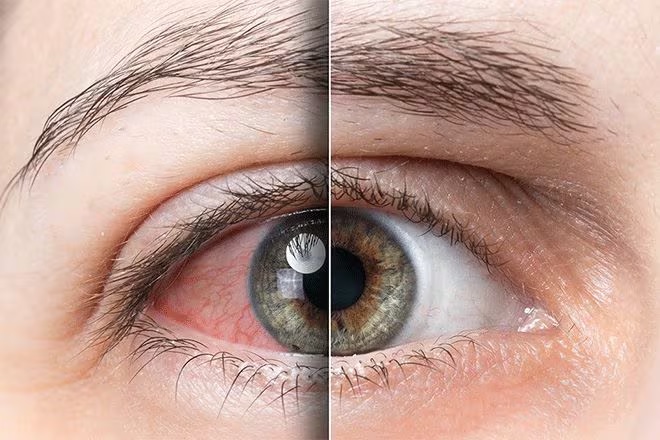
Most people are aware of the dangers of sunburn on the skin, but very few realize that their eyes are just as vulnerable to harmful ultraviolet (UV) radiation. Prolonged exposure to sunlight without proper protection can lead to a condition known as Photokeratitis—commonly referred to as eye sunburn.
This condition may sound surprising, but it is more common than you might think, especially during summer months or outdoor activities. Understanding how it occurs, its symptoms, and preventive measures can help you protect your vision effectively.
What Is Eye Sunburn (Photokeratitis)?
Eye sunburn, medically known as photokeratitis, is essentially a burn of the cornea—the transparent front layer of the eye—caused by excessive exposure to UV rays.
Just like your skin reacts to UV damage by turning red and painful, your eyes respond in a similar way. However, because the cornea lacks blood vessels, the damage manifests through irritation, inflammation, and discomfort rather than visible redness alone.
This condition is usually temporary, but repeated exposure can lead to long-term eye health issues, including cataracts and vision impairment.
What Causes Eye Sunburn?
Eye sunburn is primarily caused by exposure to ultraviolet radiation. The most common sources include:
1. Direct Sunlight
Spending long hours outdoors without sunglasses can expose your eyes to harmful UV rays, especially during midday when the sun is strongest.
2. Reflected UV Rays
Surfaces like water, sand, and snow reflect sunlight, intensifying UV exposure. This is why people at beaches or in snowy areas are at higher risk.
3. High Altitudes
UV radiation increases with altitude, making mountain climbers and hikers more susceptible.
4. Artificial UV Sources
Welding equipment, tanning beds, and certain lamps can also emit strong UV rays that damage the eyes.
Common Symptoms of Eye Sunburn
One tricky aspect of eye sunburn is that symptoms often don’t appear immediately. They may develop several hours after exposure.
Key Symptoms Include:
- Burning or stinging sensation in the eyes
- Redness
- Excessive tearing
- Blurred vision
- Sensitivity to light (photophobia)
- Feeling like sand or grit is in the eyes
In more severe cases, individuals may experience temporary vision loss or intense pain.
How Long Does Eye Sunburn Last?
The good news is that most cases of eye sunburn heal on their own within 24 to 72 hours. The cornea has the ability to regenerate quickly, which allows for relatively fast recovery.
However, repeated damage can weaken the eye over time and increase the risk of chronic conditions.
Immediate Treatment for Sunburned Eyes
If you suspect that your eyes have been exposed to excessive UV radiation, taking prompt action can reduce discomfort and speed up recovery.
1. Move Away from Sunlight
Get indoors or into a shaded environment immediately to prevent further exposure.
2. Rest Your Eyes
Avoid screens, bright lights, and reading. Keeping your eyes closed can help reduce irritation.
3. Use Cold Compresses
Apply a cool, damp cloth over closed eyes to soothe inflammation.
4. Apply Lubricating Eye Drops
Artificial tears can help relieve dryness and irritation.
5. Remove Contact Lenses
If you wear contacts, remove them until your eyes fully recover.
6. Avoid Rubbing Your Eyes
Rubbing can worsen the damage and delay healing.
When Should You See a Doctor?
While mild cases resolve on their own, medical attention is necessary if:
- Symptoms persist beyond 48 hours
- Pain becomes severe
- Vision worsens or remains blurry
- You experience extreme sensitivity to light
An eye specialist can prescribe medicated drops or treatments to prevent complications.
Long-Term Risks of Repeated UV Exposure
Occasional eye sunburn may not cause lasting damage, but repeated exposure can lead to serious eye conditions, including:
- Cataracts (clouding of the eye lens)
- Macular degeneration
- Growths on the eye (pterygium)
- Chronic dry eye syndrome
These conditions can significantly impact vision and quality of life over time.
How to Protect Your Eyes from Sunburn
Prevention is always better than treatment. Protecting your eyes from UV rays is simple and highly effective when done consistently.
1. Wear UV-Protective Sunglasses
Choose sunglasses that block 100% of UVA and UVB rays. Wraparound styles provide additional protection by preventing rays from entering from the sides.
2. Use a Wide-Brimmed Hat
A hat can block a significant amount of sunlight, reducing direct exposure to your eyes.
3. Avoid Peak Sun Hours
Try to limit outdoor activities between 10 AM and 4 PM, when UV radiation is strongest.
4. Be Careful Around Reflective Surfaces
Water, sand, and snow can reflect up to 80% of UV rays, increasing exposure.
5. Wear Protective Eyewear for Work
If you work with welding equipment or UV-emitting tools, always use proper eye protection.
Why Sunglasses Are Not Just a Fashion Accessory
Many people wear sunglasses for style, but their primary purpose should be protection. Cheap or low-quality sunglasses may not provide adequate UV protection, even if they appear dark.
In fact, wearing dark glasses without UV protection can be more harmful, as they cause your pupils to dilate, allowing more UV rays to enter the eyes.
Always check for labels indicating UV400 protection or 100% UV blocking capability.
Eye Sunburn in Children: A Hidden Risk
Children are particularly vulnerable to UV damage because their eyes are more sensitive and their lenses allow more UV rays to pass through.
However, they are less likely to complain about symptoms or recognize discomfort.
Protective Tips for Children:
- Ensure they wear sunglasses outdoors
- Use hats during playtime
- Limit sun exposure during peak hours
Teaching eye safety early can prevent long-term damage.
Seasonal and Environmental Awareness
Eye sunburn is not limited to summer. It can occur in various environments:
- Winter: Snow reflects UV rays, increasing risk
- Beaches: Sand and water amplify exposure
- Urban areas: Glass buildings can reflect sunlight
Being aware of your surroundings can help you take preventive measures effectively.
Myths About Eye Sunburn
Myth 1: Only skin gets sunburned
Reality: Eyes are equally vulnerable to UV radiation.
Myth 2: Sunglasses are optional on cloudy days
Reality: UV rays can penetrate clouds and still cause damage.
Myth 3: Eye sunburn is always serious
Reality: Most cases are mild, but repeated exposure can lead to complications.
Eye sunburn, or photokeratitis, is a real and potentially painful condition caused by excessive UV exposure. While it is usually temporary, ignoring proper eye protection can lead to long-term damage.
Simple habits—like wearing quality sunglasses, avoiding peak sunlight hours, and protecting your eyes in reflective environments—can make a significant difference.
Your eyes are delicate and irreplaceable. Taking a few preventive steps today can help preserve your vision for years to come.
This article references insights reported in: